Presented to a global audience. The Blueprint was presented over a three-day online session convened by the Global Commission on Healthy Indoor Air, before participants from more than 100 countries. It drew appreciation and questions from delegates across Brazil, Denmark, Australia, the United States and others, and is now being cited in the Commission’s global framework for action — a significant milestone for indoor-air research led from India.
About the Blueprint
- Protect public health, especially vulnerable groups (women, children, the elderly, and low-income households).
- Ensure clean, safe indoor environments across all climatic zones and building types.
- Integrate IAQ into national health, housing, energy and urban-development programmes.
- Build a knowledge bank for new construction and for retrofitting older buildings with safer indoor-air design.
What the Blueprint covers
Priority challenges it addresses Reliance on biomass and kerosene for cooking in some rural and low-income homes; outdoor pollution infiltrating indoor spaces; poor ventilation and overcrowding; emissions from consumer products and building materials; the absence of indoor-air monitoring protocols and standards; and limited public awareness.
Eight areas of action
Policy & regulatory framework
A National IAQ Policy, guideline values for key pollutants, and IAQ requirements in building codes and health/school standards.
Clean cooking & household energy
Accelerating reliable, affordable LPG access and better-ventilated kitchens.
Ventilation & building design
Practical ventilation guidelines, minimum provisions in new public buildings, and retrofits for schools, Anganwadis and low-income housing.
Monitoring, data & research
Public awareness & community engagement
Multilingual campaigns and outreach through ASHA and Anganwadi workers, plus IAQ in school curricula.
Workforce training & capacity building
Financing & resource mobilisation
An India IAQ Fund, corporate participation, and climate finance for retrofits and monitoring.
Industry engagement & market development
Read the full documents
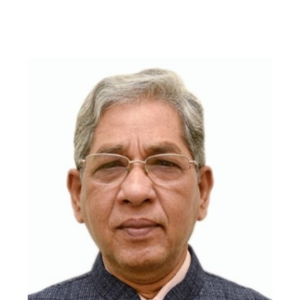
Authors